
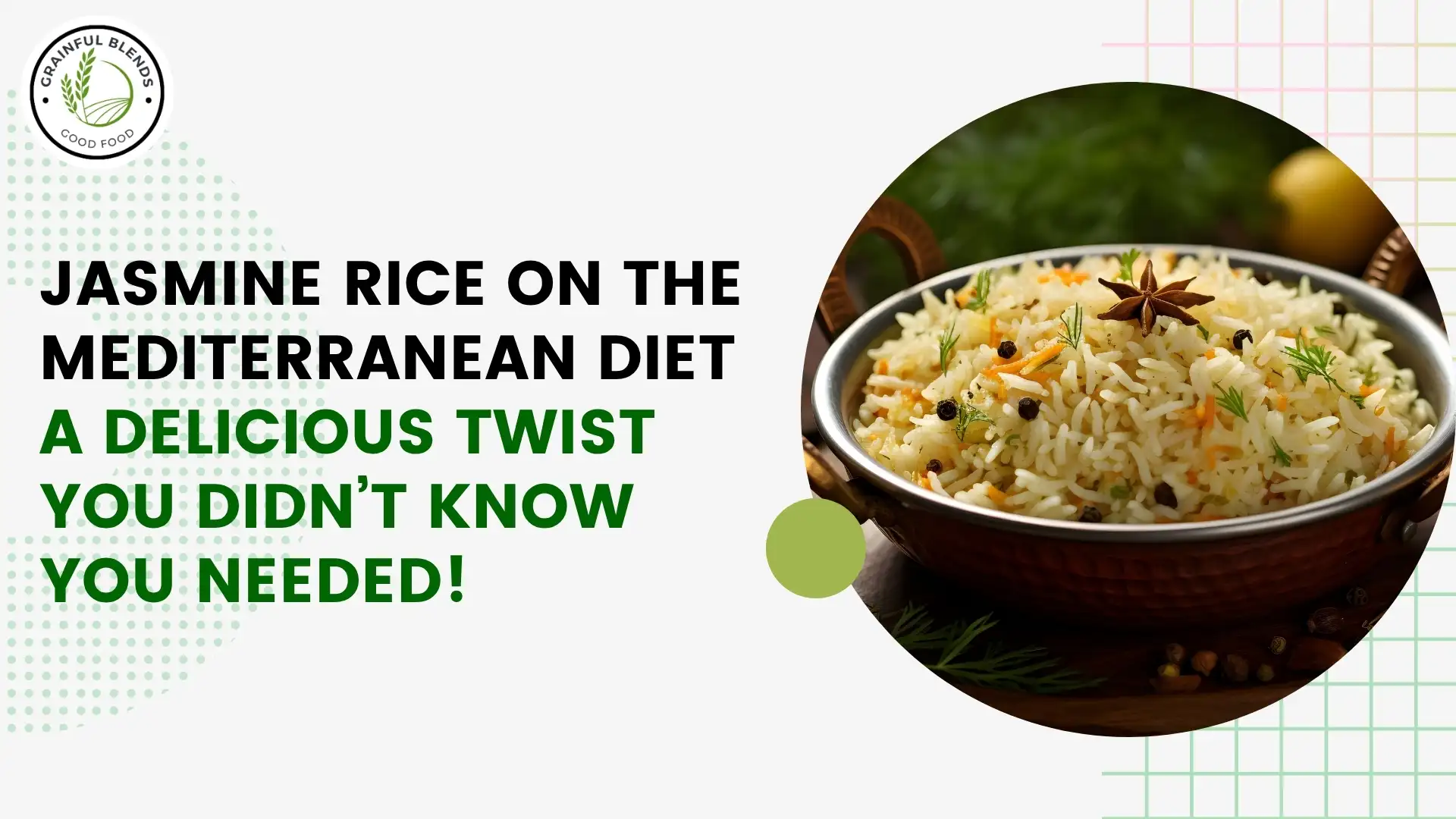
Jasmine Rice on the Mediterranean Diet: A Delicious Twist You Didn’t Know You Needed!
When you think of the Mediterranean diet, images of olive oil, fresh vegetables, and whole grains might come to mind. But what if we told you that jasmine rice could add an unexpected yet delightful twist to this celebrated eating style? This aromatic grain, known for its unique fragrance and fluffy texture, is often associated with Asian cuisine. However, it blends beautifully into Mediterranean dishes, elevating flavors and textures in ways you might not expect. From vibrant salads to hearty grain bowls, jasmine rice offers a delicious mouthfeel alongside traditional ingredients, making meals both satisfying and nutritious. In this article, we’ll explore how integrating jasmine rice into the Mediterranean diet can enhance your culinary experience, providing you with innovative recipes that celebrate this versatile ingredient. Get ready to discover how a simple swap can refresh your plate and inspire your taste buds!
Nutritional Benefits of Jasmine Rice
Jasmine rice, a long-grain variety native to Thailand, is not only prized for its aromatic qualities but also for its nutritional profile. Rich in carbohydrates, jasmine rice serves as an excellent source of energy, making it a valuable addition to any diet. With its high caloric content, it provides the necessary fuel for physical activities, ensuring that you stay active and energized throughout the day. Moreover, jasmine rice contains essential vitamins and minerals such as B vitamins, magnesium, and phosphorus, which play vital roles in maintaining overall health.
Apart from these basic nutrients, jasmine rice boasts a low fat content, making it a heart-healthy option. Its moderate protein levels contribute to muscle repair and growth, while its fiber content, although not as high as in brown rice, still aids in digestion and prevents constipation. Additionally, jasmine rice is gluten-free, making it suitable for individuals with gluten sensitivities or celiac disease. When considering its nutritional benefits, it becomes clear why jasmine rice can be a valuable component of a balanced diet.
Furthermore, jasmine rice contains antioxidants, which help combat oxidative stress and reduce the risk of chronic diseases. The presence of phytonutrients in jasmine rice contributes to its anti-inflammatory properties, promoting better immune function. With its combination of energy-boosting carbohydrates, essential vitamins, and minerals, jasmine rice stands out as a nutritious and versatile grain that can enhance the quality of your diet.
How Jasmine Rice Fits into the Mediterranean Diet
The Mediterranean diet, renowned for its emphasis on whole foods, healthy fats, and fresh produce, aligns perfectly with the qualities of jasmine rice. This diet prioritizes grains, vegetables, fruits, legumes, nuts, and olive oil, making jasmine rice a seamless addition. Its mild flavor and fluffy texture complement the diverse ingredients typical of Mediterranean cuisine, adding variety and depth to meals.
Incorporating jasmine rice into the Mediterranean diet is a strategic move for those looking to diversify their grain intake. While traditional Mediterranean dishes often feature grains like farro, bulgur, or couscous, jasmine rice brings a unique twist without sacrificing nutritional integrity. It can be used as a base for salads, pilafs, and grain bowls, absorbing the flavors of herbs, spices, and dressings typically used in Mediterranean cooking.
Moreover, jasmine rice’s adaptability makes it an ideal candidate for fusion dishes. By blending the aromatic qualities of jasmine rice with Mediterranean ingredients, you can create innovative meals that honor the principles of both culinary traditions. This fusion not only enhances the sensory experience but also provides a creative outlet for home cooks and chefs alike, encouraging culinary exploration and experimentation.
Flavor Profiles: Enhancing Mediterranean Dishes with Jasmine Rice
Jasmine rice’s subtle and fragrant aroma sets it apart from other rice varieties, making it a delightful addition to Mediterranean dishes. Its unique scent, often compared to the smell of popcorn or pandan leaves, infuses meals with an enticing fragrance that enhances the overall dining experience. When cooked, jasmine rice becomes tender and slightly sticky, providing a pleasing contrast to the crisp textures of fresh vegetables and herbs commonly used in Mediterranean cuisine.
The mild flavor of jasmine rice acts as a blank canvas, allowing the bold and vibrant tastes of Mediterranean ingredients to shine. Whether it’s the tanginess of lemon, the earthiness of olives, or the sweetness of sun-dried tomatoes, jasmine rice complements these flavors without overpowering them. This harmonious balance ensures that each ingredient retains its distinct character while contributing to a cohesive and flavorful dish.
Additionally, jasmine rice’s ability to absorb and carry flavors makes it an excellent medium for incorporating Mediterranean spices and seasonings. Ingredients like garlic, oregano, basil, and cumin meld beautifully with jasmine rice, creating dishes that are both aromatic and flavorful. This versatility allows you to experiment with various flavor combinations, elevating your culinary repertoire and offering new taste experiences.
Popular Mediterranean Dishes Featuring Jasmine Rice
One of the most appealing aspects of integrating jasmine rice into Mediterranean cuisine is the endless possibilities it offers. Consider the classic Mediterranean rice pilaf, where jasmine rice is cooked with onions, garlic, and a medley of spices such as cinnamon, allspice, and turmeric. This dish, often garnished with toasted nuts and fresh herbs, showcases how jasmine rice can transform a simple side into a flavorful centerpiece.
Another popular dish is the Mediterranean rice salad, a vibrant and healthy option that pairs jasmine rice with a variety of fresh vegetables, olives, feta cheese, and a zesty lemon vinaigrette. This salad not only highlights the fluffy texture of jasmine rice but also provides a satisfying blend of flavors and nutrients. It’s a perfect dish for summer picnics or light lunches, offering a refreshing twist on traditional salads.
For a heartier option, try a Mediterranean-inspired grain bowl with jasmine rice as the base. Layered with roasted vegetables, chickpeas, avocado, and a dollop of tzatziki sauce, this bowl combines the best of both worlds—nutrient-dense ingredients and aromatic jasmine rice. The result is a wholesome and filling meal that caters to various dietary preferences, from vegetarian to gluten-free.
Cooking Techniques for Perfect Jasmine Rice
Mastering the art of cooking jasmine rice is essential to fully enjoy its texture and flavor. The first step is rinsing the rice thoroughly under cold water to remove excess starch, which can cause the rice to become gummy. This step ensures that each grain remains separate and fluffy once cooked. The general ratio for cooking jasmine rice is one part rice to one and a half parts water, although this can be adjusted based on personal preference.
Using a rice cooker is one of the easiest and most foolproof methods for cooking jasmine rice. Simply add the rinsed rice and water to the cooker, select the appropriate setting, and let the machine do the rest. The result is perfectly cooked rice with minimal effort. For those who prefer stovetop cooking, bring the water to a boil, then reduce the heat to low, cover the pot, and let it simmer for about 15 minutes. Once the water is absorbed, remove the pot from heat and let it sit, covered, for an additional 10 minutes to allow the steam to finish cooking the rice.
For an added flavor boost, consider cooking jasmine rice in broth instead of water. Vegetable, chicken, or beef broth imparts a subtle savory taste that complements Mediterranean dishes beautifully. You can also infuse the rice with herbs and spices by adding them to the cooking liquid. Bay leaves, saffron, or a sprig of fresh thyme can elevate the rice’s flavor profile, making it an even more integral part of your meal.
Pairing Jasmine Rice with Mediterranean Ingredients
Pairing jasmine rice with Mediterranean ingredients opens up a world of culinary possibilities. One of the simplest yet most delicious combinations is jasmine rice with roasted vegetables. The natural sweetness of roasted bell peppers, zucchini, and eggplant pairs beautifully with the aromatic qualities of jasmine rice. Drizzle with olive oil and a sprinkle of sea salt, and you have a side dish that can accompany any main course.
Another excellent pairing is jasmine rice with seafood. Mediterranean cuisine often features dishes like grilled fish, shrimp, and calamari, which pair wonderfully with the delicate texture of jasmine rice. A seafood paella made with jasmine rice, saffron, and a mix of shellfish and fish is a delightful twist on the traditional Spanish dish. The rice absorbs the flavors of the seafood and spices, resulting in a rich and satisfying meal.
Legumes are another staple of the Mediterranean diet that pairs well with jasmine rice. Chickpeas, lentils, and beans can be combined with jasmine rice to create hearty and nutritious dishes. A chickpea and jasmine rice stew, flavored with cumin, coriander, and fresh herbs, offers a warming and wholesome meal that is both filling and packed with protein. These combinations not only enhance the taste but also boost the nutritional value of your meals.
Meal Prep Ideas: Incorporating Jasmine Rice into Your Weekly Menu
Meal prepping with jasmine rice can save time and ensure you have delicious and nutritious meals ready throughout the week. One idea is to prepare a large batch of jasmine rice at the beginning of the week and use it as a base for various dishes. For example, you can start with a Mediterranean rice bowl featuring jasmine rice, grilled chicken, cucumber, cherry tomatoes, and a dollop of hummus. This bowl is easy to assemble and can be customized with your favorite toppings.
Another meal prep idea is to make a Mediterranean rice casserole. Combine cooked jasmine rice with sautéed spinach, feta cheese, sun-dried tomatoes, and olives, then bake until the top is golden and bubbly. This casserole can be portioned out for lunches or dinners, providing a convenient and satisfying meal option. It also reheats well, making it perfect for busy weekdays.
Don’t forget about breakfast! Jasmine rice can be transformed into a savory breakfast bowl by mixing it with scrambled eggs, avocado, and a sprinkle of za’atar seasoning. This bowl offers a hearty and flavorful start to your day, keeping you full and energized. By incorporating jasmine rice into your meal prep routine, you can enjoy the convenience of ready-made meals without compromising on taste or nutrition.
Health Considerations: Jasmine Rice vs. Other Rice Varieties
When it comes to choosing the right type of rice for your diet, it’s important to consider the nutritional differences between jasmine rice and other varieties. While jasmine rice offers a distinct aroma and texture, it is generally lower in fiber compared to brown rice. Brown rice retains its bran and germ, providing higher fiber content, which aids in digestion and helps maintain stable blood sugar levels. However, jasmine rice is still a nutritious choice, especially when paired with fiber-rich vegetables and legumes.
Another factor to consider is the glycemic index (GI) of jasmine rice. Jasmine rice has a higher GI compared to some other rice varieties, meaning it can cause a quicker spike in blood sugar levels. For individuals managing diabetes or insulin resistance, it’s important to monitor portion sizes and balance jasmine rice with low-GI foods to maintain stable blood sugar levels. Incorporating protein, healthy fats, and fiber into meals can help mitigate the impact of jasmine rice on blood sugar.
Despite these considerations, jasmine rice remains a valuable addition to a balanced diet. Its unique flavor and versatility make it an excellent choice for a variety of dishes. By being mindful of portion sizes and pairing jasmine rice with nutrient-dense ingredients, you can enjoy its benefits while maintaining a healthy and balanced diet. As with any food, moderation and variety are key to reaping the full range of health benefits.
Conclusion: Embrace the Fusion of Jasmine Rice and Mediterranean Cuisine
Incorporating jasmine rice into the Mediterranean diet offers a delightful twist that can elevate your culinary experience. Its aromatic qualities, tender texture, and ability to absorb flavors make it a versatile ingredient that complements traditional Mediterranean dishes beautifully. From vibrant salads to hearty grain bowls, jasmine rice adds a unique dimension to meals, making them both satisfying and nutritious.
By exploring innovative recipes and experimenting with flavor combinations, you can create dishes that celebrate the fusion of jasmine rice and Mediterranean cuisine. Whether you’re preparing a simple side dish, a flavorful main course, or a convenient meal prep option, jasmine rice can enhance your meals in unexpected ways. Its nutritional benefits, ease of cooking, and adaptability make it a valuable addition to any kitchen.
So why not embrace the fusion of jasmine rice and Mediterranean cuisine? By doing so, you’ll not only diversify your diet but also discover new and exciting flavors that inspire your taste buds. Whether you’re a seasoned cook or just starting your culinary journey, jasmine rice offers endless possibilities for creating delicious and wholesome meals. Enjoy the journey of blending these two culinary traditions and savor the delicious results!