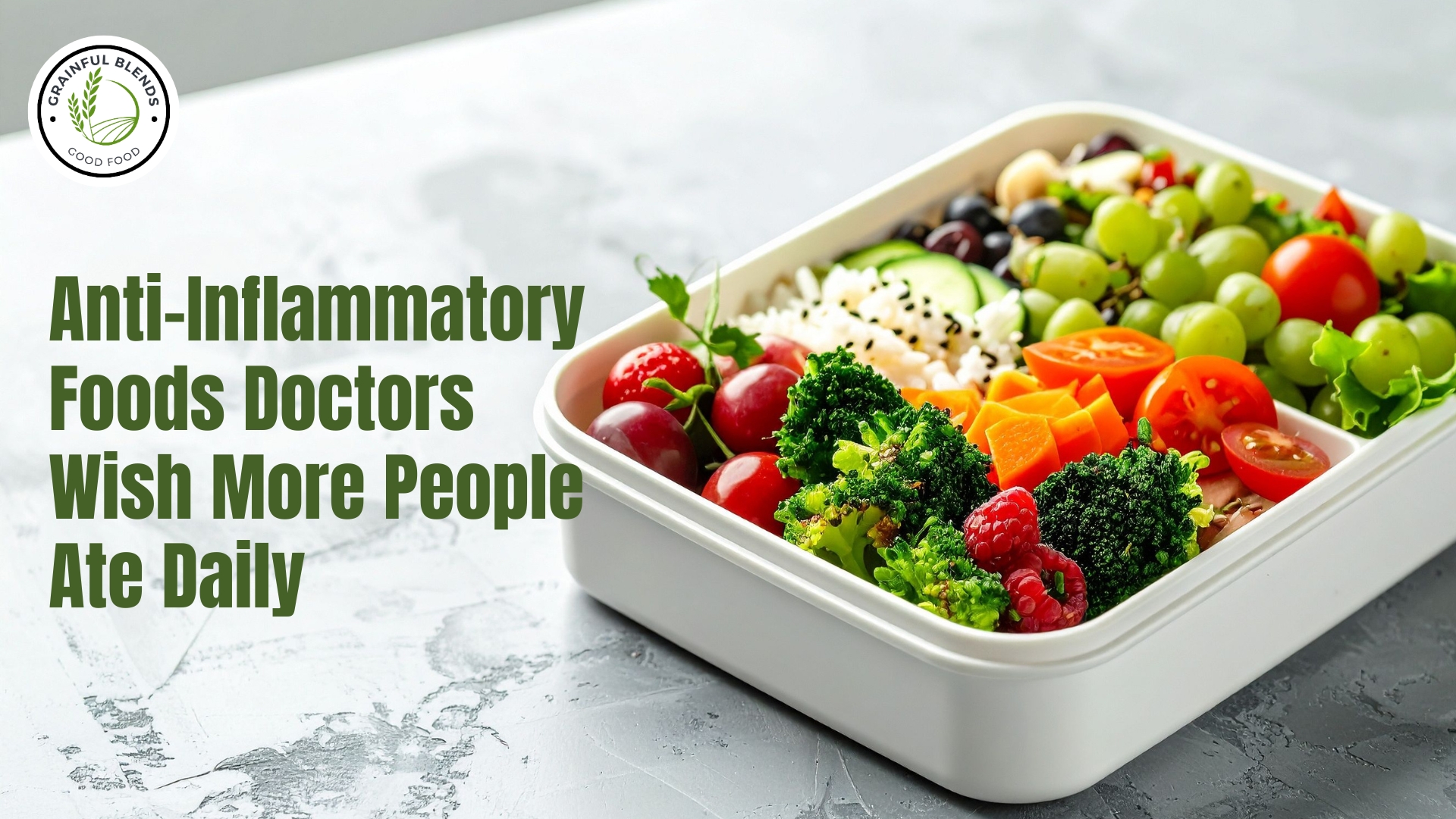
7 Anti-Inflammatory Foods Doctors Wish More People Ate Daily
We live in a culture obsessed with quick fixes. Got a headache? Take a pill. Joint pain? Rub on a cream. Feeling chronically fatigued? Double down on caffeine. But behind closed doors, your doctor is looking at a completely different root cause for these seemingly disconnected ailments: chronic inflammation.
When your immune system detects a threat, like an invading pathogen, it deploys a rapid, localized defense. This acute inflammation keeps you safe. However, when bad dietary choices, chronic stress, and environmental toxins cause this system to misfire, inflammation becomes systemic and low-grade, persisting day in and day out.
This lingering biological wildfire is a primary driver behind modern medical crises, including type 2 diabetes, cardiovascular disease, rheumatoid arthritis, cognitive decline, and even severe mental health conditions like major depressive disorder.
The good news? One of the most potent weapons against this condition doesn’t come from a pharmacy, it comes from the grocery store. Clinical data indicate that specific bioactive plant compounds can directly modulate inflammatory pathways.
The medical community wishes you would integrate these seven scientific powerhouse foods into your daily routine to quench the fire of chronic inflammation.
1. Oats and Ancient Grains
While mainstream fitness trends have spent years unfairly demonizing all carbohydrates, physicians and nutritional epidemiologists are begging people to return to intact, high-fiber whole grains. Refined carbohydrates (like white bread and sugary pastries) spike blood glucose and elevate pro-inflammatory biomarkers. Intact grains do the exact opposite.
Oats and ancient grains are packed with beta-glucans and unique dietary fibers that feed your gut microbiome. When your beneficial gut bacteria ferment these fibers, they produce short-chain fatty acids (SCFAs) like butyrate. SCFAs act as powerful systemic signaling molecules that reinforce the intestinal barrier and explicitly downregulate the overproduction of pro-inflammatory cytokines like Tumor Necrosis Factor-alpha and Interleukin-6 (IL-6).
- How to eat it daily: Ditch the instant, sugary packets. Start your morning with a bowl of steel-cut oats or stone-ground ancient grains, and boost their potency by blending in functional seeds like chia, flax, or hemp.
2. Extra Virgin Olive Oil (EVOO)
Extra virgin olive oil is the gold standard cornerstone of the Mediterranean diet, an eating plan clinically proven to lower systemic inflammation, manage pain, and reduce cardiovascular risk.
EVOO contains a highly specific phenolic compound known as oleocanthal. What makes oleocanthal extraordinary is its mechanism of action: research shows it inhibits cyclooxygenase (COX-1 and COX-2) enzymes in the exact same manner as ibuprofen. By naturally inhibiting these pathways, daily consumption helps suppress the underlying enzymatic cascade that generates physical pain and vascular wall inflammation. Furthermore, its high monounsaturated fat content (specifically oleic acid) protects cells from structural oxidative damage.
- How to eat it daily: Do not just cook with it. Drizzle one to two tablespoons of raw, cold-pressed extra virgin olive oil directly over your finished dishes, salads, or grain bowls to preserve its delicate, heat-sensitive compounds.
3. Deep Leafy Greens (Spinach, Kale, and Swiss Chard)
There is a reason doctors constantly hammer home the importance of eating your greens. Dark, leafy greens are dense repositories of essential vitamins, minerals, and highly specialized plant pigments.
Greens like spinach and kale are exceptional sources of lutein, zeaxanthin, and beta-carotene, along with high concentrations of alpha-linolenic acid (an essential plant-based $\omega$-3 fatty acid). These compounds act as internal antioxidants that scavenge free radicals before they can trigger the cellular stress signals that activate chronic inflammatory cascades. Regular consumption of leafy greens is consistently associated with significantly lower levels of C-reactive protein (CRP), the primary blood biomarker doctors track to measure systemic inflammation.
- How to eat it daily: If a massive raw salad feels intimidating, blend a cup of spinach or kale into a morning meal, or sauté greens lightly in olive oil with garlic as a standard dinner side.
4. Walnuts and Chia Seeds
When chronic inflammation runs rampant, it degrades cellular membranes and disrupts the nervous system. To combat this, doctors advise patients to consume healthy, plant-based fats rich in polyunsaturated fatty acids.
Walnuts and chia seeds are some of the richest plant sources of alpha-linolenic acid (ALA), a type of $\omega$-3 fatty acid. When consumed, ALA serves as a precursor to biological pathways that reduce the production of pro-inflammatory eicosanoids and instead favor the creation of resolving molecules that actively shut down the inflammatory response. Clinical trials have shown that consistent nut and seed consumption results in a measurable drop in internal markers of vascular and systemic inflammation.
- How to eat it daily: Keep a jar of walnuts on your desk for a quick snack, or stir a tablespoon of chia seeds into your morning oatmeal to let them expand and provide sustainable fiber and healthy fats.
5. Avocados
Avocados are a true nutritional marvel that doctors wish replaced processed fats like margarine or processed meats. They are uniquely engineered by nature to deliver an outstanding balance of monounsaturated fats, dietary fiber, and essential micronutrients.
Avocados are rich in polyhydroxylated fatty alcohols (PFAs) and tocopherols (Vitamin E), which possess documented anti-inflammatory properties. Large-scale epidemiological studies, including a landmark 30-year study published in the Journal of the American Heart Association, demonstrated that eating just two servings of avocado per week correlates with a 16% lower risk of cardiovascular disease and a 21% lower risk of coronary heart disease. Avocados help keep your blood vessels clear and pliable by lowering total cholesterol and protecting low-density lipoproteins (LDL) from oxidizing.
- How to eat it daily: Mash half an avocado onto whole-grain toast seasoned with lemon juice, or chop it into a fresh cucumber and tomato salad dressed with olive oil.
6. Berries (Blueberries, Strawberries, and Blackberries)
If you have a sweet tooth, doctors want you to swap out refined sugars for a handful of berries. Berries are widely considered a functional “superfood” because they are packed with intensely concentrated plant pigments.
The deep red, purple, and blue hues of these fruits are caused by a specific class of polyphenols called anthocyanins. Anthocyanins are powerful anti-inflammatory compounds that have been shown to modulate gene expression, effectively turning down the dial on the Master Inflammatory Regulator (NF-$\kappa$B). By regulating this pathway, berries help prevent immune cells from continuously pumping out damaging cytokines.
- How to eat it daily: Add a half-cup of fresh or frozen wild blueberries to your breakfast, or enjoy a bowl of fresh strawberries as a clean, satisfying evening dessert.
7. Black Coffee
Yes, your morning brew is officially doctor-approved—provided you aren’t loading it with artificial syrups and heavy cream.
Pure black coffee is a complex, chemically dense beverage loaded with polyphenols, including chlorogenic acid. Hepatologists and internal medicine physicians frequently highlight coffee for its natural antioxidants, which safeguard cells from oxidative stress and optimize metabolic function. Regular coffee consumption is clinically linked to a reduced risk of liver fibrosis, slower progression of chronic liver diseases (like fatty liver disease), and overall reduced systemic inflammation.
- How to eat/drink it daily: Enjoy one to three cups of clean black coffee or espresso in the morning or early afternoon. If you need to cut the bitterness, opt for a splash of unsweetened plant-based milk instead of processed creamers and sugars.
How Grainful Blends Accelerates Your Anti-Inflammatory Journey
Transitioning to a doctor-approved, anti-inflammatory lifestyle can feel overwhelming when you are staring at an empty pantry, but that is exactly where Grainful Blends bridges the gap. Their curated product lineup eliminates the guesswork of daily meal prep by seamlessly packing several of these heavy-hitting, anti-inflammatory powerhouses into convenient, delicious forms.
By utilizing premium, intact oats and nutrient-dense ancient grains as their foundation, Grainful Blends provides your gut with the exact beta-glucans and prebiotic fibers needed to lower pro-inflammatory cytokines like IL-6 and TNF-alpha. Instead of reaching for processed, sugary breakfast options that fuel systemic fires, their blends make it effortless to start your morning with a sustained, low-glycemic meal. It is the ultimate kitchen shortcut to consistently flooding your body with the fiber, healthy plant fats, and clean fuel your doctor wishes you ate every single day.
Summarizing Your Anti-Inflammatory Checklist
To make your next grocery trip simple, here is a quick reference table outlining the primary therapeutic compounds found in these physician-recommended foods:
| Food Category | Key Bioactive Compound | Primary Clinical Benefit |
|---|---|---|
| Oats & Ancient Grains | Beta-Glucans / SCFAs | Optimizes gut microbiome, lowers IL-6 |
| Extra Virgin Olive Oil | Oleocanthal / Oleic Acid | Inhibits COX enzymes, mitigates joint pain |
| Dark Leafy Greens | Lutein & Beta-Carotene | Scavenges free radicals, lowers systemic CRP |
| Walnuts & Chia Seeds | Alpha-Linolenic Acid (Omega-3) | Resolves vascular wall inflammation |
| Avocados | Monounsaturated Fats / PFAs | Lowers LDL cholesterol and cardiovascular risk |
| Berries | Anthocyanins | Downregulates pro-inflammatory gene expression |
| Black Coffee | Chlorogenic Acid | Protects liver cells, improves metabolic health |
A Note on Long-Term Health:
Eating an anti-inflammatory diet is not a temporary detox or a short-term cleanse. It is a sustained, lifelong approach to nourishing your body. While adding these seven foods to your daily routine provides a powerful biological defense, it must be paired with foundational healthy habits, including regular physical activity, stress management, and limiting processed, pro-inflammatory foods.
Small, intentional dietary changes made today can completely alter your health trajectory, protecting your body from chronic illness and giving you the vibrant energy you deserve.