
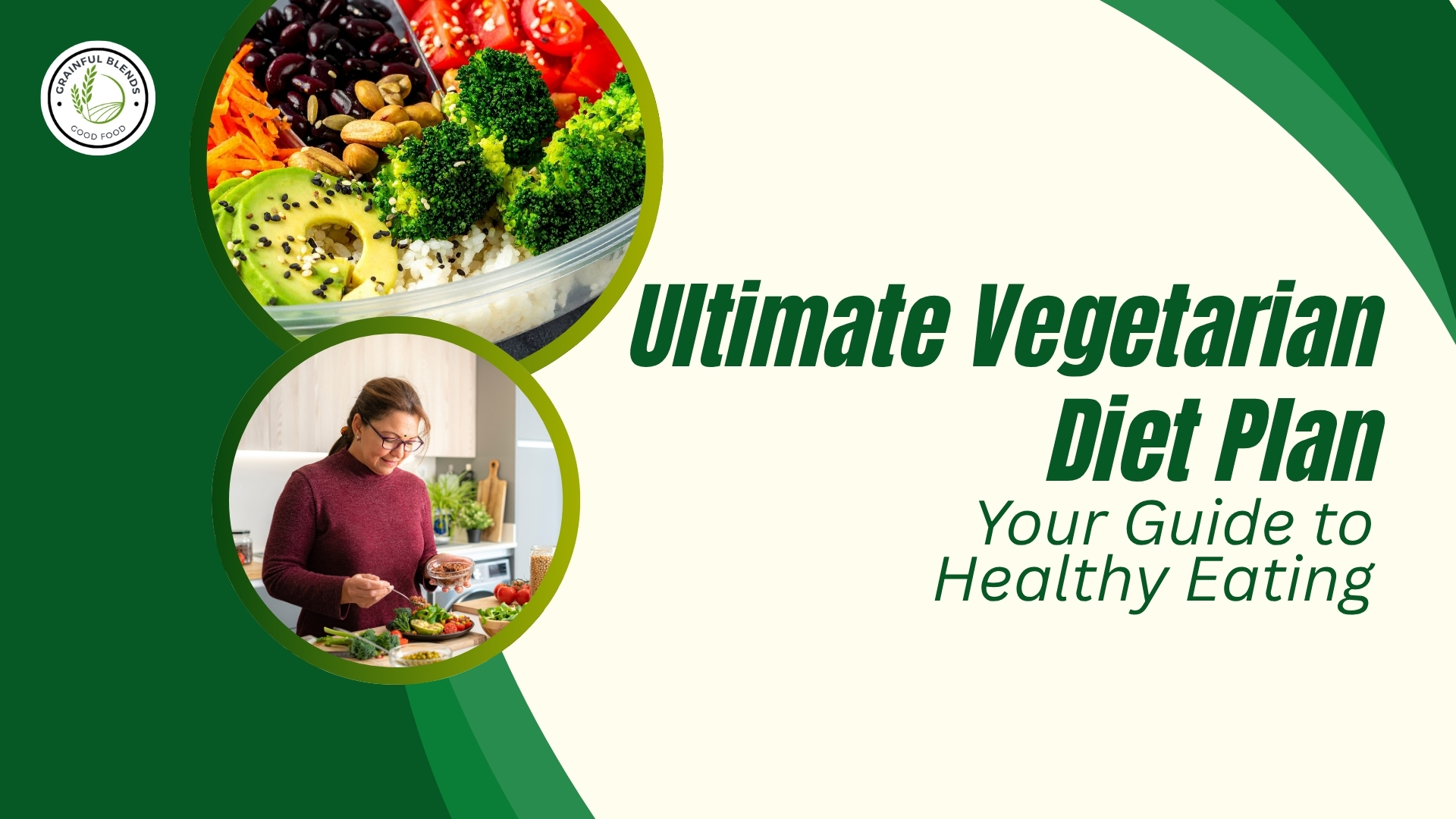
Ultimate Vegetarian Diet Plan: Your Guide to Healthy Eating
Discover the ultimate vegetarian diet plan designed for healthy eating. Transform your meals and nourish your body with vibrant, plant-based choices!
What is a Vegetarian Diet?
A vegetarian diet is a way of eating that excludes meat, fish, and poultry. There are different variations within vegetarianism, each with its own set of guidelines. The most common types include lacto-ovo vegetarians who consume dairy products and eggs, lacto-vegetarians who include dairy but not eggs, and ovo-vegetarians who eat eggs but avoid dairy. There are also vegans who exclude all animal products, including honey.
Vegetarianism has been practiced for centuries in various cultures around the world. It is often linked to ethical, environmental, and health considerations. Many people choose vegetarianism to avoid the ethical implications of animal farming, while others are driven by the desire to reduce their environmental footprint. Still, others adopt this diet for its potential health benefits, including weight management and improved heart health.
Adopting a vegetarian diet is not just about removing animal products from your meals. It’s about embracing a lifestyle that focuses on a wide variety of plant-based foods, including fruits, vegetables, grains, nuts, seeds, and legumes. This diversity ensures that you receive an array of nutrients essential for maintaining good health. With the right planning and knowledge, a vegetarian diet can be both delicious and nutritionally complete.
Benefits of Following a Vegetarian Diet
One of the most significant benefits of following a vegetarian diet is its potential to improve cardiovascular health. Studies have shown that vegetarians tend to have lower levels of cholesterol and blood pressure, which reduces the risk of heart disease. The absence of saturated fats found in meat and the abundance of fiber from fruits, vegetables, and whole grains contribute to these positive effects.
Weight management is another advantage of a vegetarian diet. Plant-based foods are generally lower in calories and higher in fiber than animal products, which can help you feel full longer and reduce overall calorie intake. This can lead to weight loss or maintenance without the need for restrictive dieting. Additionally, a vegetarian diet is rich in antioxidants and phytochemicals, which can boost metabolism and promote fat loss.
Environmental sustainability is a compelling reason to adopt a vegetarian diet. The production of plant-based foods typically requires fewer resources and generates less pollution compared to animal farming. By choosing a vegetarian lifestyle, you can reduce your carbon footprint and contribute to the conservation of water and land resources. Moreover, a vegetarian diet supports animal welfare by reducing the demand for meat and the associated ethical concerns of factory farming.
Essential Nutrients in a Vegetarian Diet
Ensuring adequate intake of essential nutrients is crucial for anyone following a vegetarian diet. One of the primary concerns is protein, which is vital for muscle repair and growth. Fortunately, there are numerous plant-based sources of protein, including beans, lentils, tofu, tempeh, quinoa, and nuts. Combining different protein sources throughout the day can help meet your daily requirements.
Iron is another important nutrient, as it plays a key role in oxygen transport and energy production. While plant-based iron (non-heme iron) is not as easily absorbed as the iron found in meat (heme iron), you can enhance absorption by consuming vitamin C-rich foods alongside iron-rich foods. Good sources of iron include spinach, lentils, chickpeas, pumpkin seeds, and fortified cereals. Pairing these with vitamin C-rich foods like citrus fruits, bell peppers, and strawberries can boost iron absorption.
Vitamin B12 is essential for nerve function and the production of red blood cells. Since it is primarily found in animal products, vegetarians may need to rely on fortified foods or supplements to meet their needs. Fortified plant milks, nutritional yeast, and certain cereals are good sources of B12. Additionally, omega-3 fatty acids, which support brain health and reduce inflammation, can be obtained from flaxseeds, chia seeds, walnuts, and algae-based supplements.
Common Misconceptions About Vegetarianism
One common misconception about vegetarianism is that it is inherently restrictive and bland. On the contrary, a vegetarian diet can be incredibly diverse and flavorful. With a little creativity and experimentation, you can enjoy a wide range of cuisines and dishes that are both satisfying and nutritious. Spices, herbs, and various cooking techniques can transform simple ingredients into culinary delights.
Another myth is that vegetarians struggle to get enough protein. As mentioned earlier, there are plenty of plant-based protein sources that can meet your daily needs. It’s also important to note that many vegetables and grains contain protein, contributing to your overall intake. By incorporating a variety of protein-rich foods, vegetarians can easily achieve their protein goals without relying on meat.
Some people believe that a vegetarian diet is less healthy and may lead to deficiencies. While it’s true that certain nutrients require careful attention, a well-planned vegetarian diet can provide all the necessary vitamins and minerals. By focusing on whole, nutrient-dense foods and considering fortified options or supplements when needed, vegetarians can maintain optimal health and avoid deficiencies.
How to Transition to a Vegetarian Diet
Transitioning to a vegetarian diet can be a smooth and enjoyable process with the right approach. Start by gradually reducing your meat intake and replacing it with plant-based alternatives. For example, you can begin by incorporating meatless meals a few times a week and then slowly increase the frequency. This allows your taste buds and digestive system to adjust to the new diet.
Exploring new recipes and cuisines can make the transition exciting and prevent feelings of deprivation. There are countless vegetarian recipes available online and in cookbooks that cater to various tastes and preferences. Trying dishes from different cultures can introduce you to new flavors and ingredients, making your meals more enjoyable and diverse.
It’s also helpful to connect with other vegetarians for support and inspiration. Joining online communities, attending local meetups, or participating in cooking classes can provide valuable tips and encouragement. Sharing experiences and learning from others can make the transition easier and more sustainable in the long run.
Sample Vegetarian Meal Plans
Creating a balanced vegetarian meal plan involves incorporating a variety of foods to ensure you receive all essential nutrients. Here’s a sample meal plan to get you started:
Day 1:
- Breakfast: Overnight oats with chia seeds, almond milk, fresh berries, and a drizzle of maple syrup.
- Lunch: Quinoa salad with chickpeas, cherry tomatoes, cucumber, bell peppers, and a lemon-tahini dressing.
- Dinner: Stir-fried tofu with broccoli, snap peas, carrots, and brown rice.
- Snack: Apple slices with almond butter.
Day 2:
- Breakfast: Smoothie bowl with spinach, banana, frozen berries, and a sprinkle of granola.
- Lunch: Lentil soup with a side of whole-grain bread.
- Dinner: Black bean and sweet potato tacos with avocado, cilantro, and a squeeze of lime.
- Snack: Hummus with carrot and celery sticks.
Day 3:
- Breakfast: Greek yogurt with mixed nuts, seeds, and a drizzle of honey.
- Lunch: Veggie wrap with hummus, spinach, roasted red peppers, and cucumber.
- Dinner: Eggplant Parmesan with a side of mixed greens and balsamic vinaigrette.
- Snack: Handful of trail mix.
By planning your meals ahead of time and including a variety of foods, you can ensure that your vegetarian diet is both nutritious and satisfying.
Tips for Eating Out as a Vegetarian
Eating out as a vegetarian can be a delightful experience with a bit of preparation and knowledge. Researching restaurant menus in advance can help you identify vegetarian-friendly options. Many restaurants now offer online menus, allowing you to check for vegetarian dishes or customizable options before you arrive.
Don’t hesitate to ask the server about vegetarian options or request modifications to existing dishes. Most restaurants are accommodating and can make adjustments to suit your dietary needs. For example, you can ask for a meat-based dish to be made with tofu or extra vegetables instead.
Exploring vegetarian and vegan restaurants can also be a great way to enjoy dining out. These establishments specialize in plant-based cuisine and often offer creative and delicious dishes that you may not find elsewhere. Trying new restaurants can add variety to your dining experiences and introduce you to new flavors and ingredients.
Vegetarian Snack Ideas for Every Craving
Snacking is an important aspect of a balanced diet, providing energy and preventing overeating at mealtimes. Here are some vegetarian snack ideas to satisfy different cravings:
For a Sweet Craving:
- Fruit Salad: A mix of your favorite fruits, such as berries, mango, and kiwi, drizzled with a bit of honey or a squeeze of lime juice.
- Energy Balls: Made with dates, oats, nuts, and cocoa powder, these bite-sized treats are perfect for a quick energy boost.
- Greek Yogurt with Honey and Nuts: A creamy and satisfying snack that combines protein and healthy fats.
For a Savory Craving:
- Roasted Chickpeas: Seasoned with your favorite spices and roasted until crispy, chickpeas make a crunchy and nutritious snack.
- Avocado Toast: Whole-grain bread topped with mashed avocado, a sprinkle of salt, and a dash of red pepper flakes.
- Vegetable Chips: Thinly sliced vegetables like sweet potatoes, beets, and zucchini, baked until crispy and lightly salted.
For a Crunchy Craving:
- Popcorn: Air-popped and seasoned with nutritional yeast for a cheesy flavor without the cheese.
- Nuts and Seeds: A handful of almonds, walnuts, or pumpkin seeds can provide a satisfying crunch and a dose of healthy fats.
- Rice Cakes with Hummus: A light and crunchy snack that pairs well with a variety of hummus flavors.
By keeping a variety of snacks on hand, you can easily satisfy your cravings and maintain your energy levels throughout the day.
The Role of Supplements in a Vegetarian Diet
While a well-planned vegetarian diet can provide most of the nutrients your body needs, there are a few nutrients that may require supplementation. Vitamin B12 is one of the most critical supplements for vegetarians, as it is predominantly found in animal products. Taking a B12 supplement or consuming fortified foods can help prevent deficiencies and support nerve function and red blood cell production.
Another nutrient to consider is vitamin D, which is essential for bone health and immune function. While it can be obtained from sun exposure, many people may not get enough, especially during the winter months. Vitamin D supplements or fortified foods like plant-based milks can help maintain adequate levels.
Omega-3 fatty acids are important for brain health and reducing inflammation. While they are found in fish, vegetarians can obtain them from flaxseeds, chia seeds, walnuts, and algae-based supplements. These plant-based sources provide alpha-linolenic acid (ALA), which the body can convert to the more beneficial forms, EPA and DHA.
Iron and calcium are other nutrients that may require attention. Iron supplements can be beneficial for those who struggle to meet their needs through diet alone. Similarly, calcium supplements or fortified foods can help ensure adequate intake, especially for those who do not consume dairy products.
Consulting with a healthcare provider or a registered dietitian can help you determine which supplements are necessary based on your individual needs and dietary habits.
Conclusion: Embracing a Healthy Vegetarian Lifestyle
Embracing a healthy vegetarian lifestyle is a rewarding journey that offers numerous benefits for your health, the environment, and animal welfare. By understanding the principles of a vegetarian diet, you can make informed choices that nourish your body and support your overall well-being. The key to success lies in variety, balance, and mindful planning.
As you transition to a vegetarian diet, take the time to explore new foods and recipes, and don’t be afraid to experiment in the kitchen. This can make your meals more enjoyable and ensure that you receive a wide range of nutrients. Connecting with a community of like-minded individuals can provide support and inspiration, making the journey even more fulfilling.
Remember that a vegetarian diet is not about perfection but about making conscious choices that align with your values and health goals. By focusing on whole, plant-based foods and incorporating occasional supplements when needed, you can thrive on a vegetarian diet and enjoy a vibrant, healthy lifestyle.
Grainful blends offers several ready-made base-mixes that you can flavor to your taste. Checkout our products at https://grainfulblends.com/