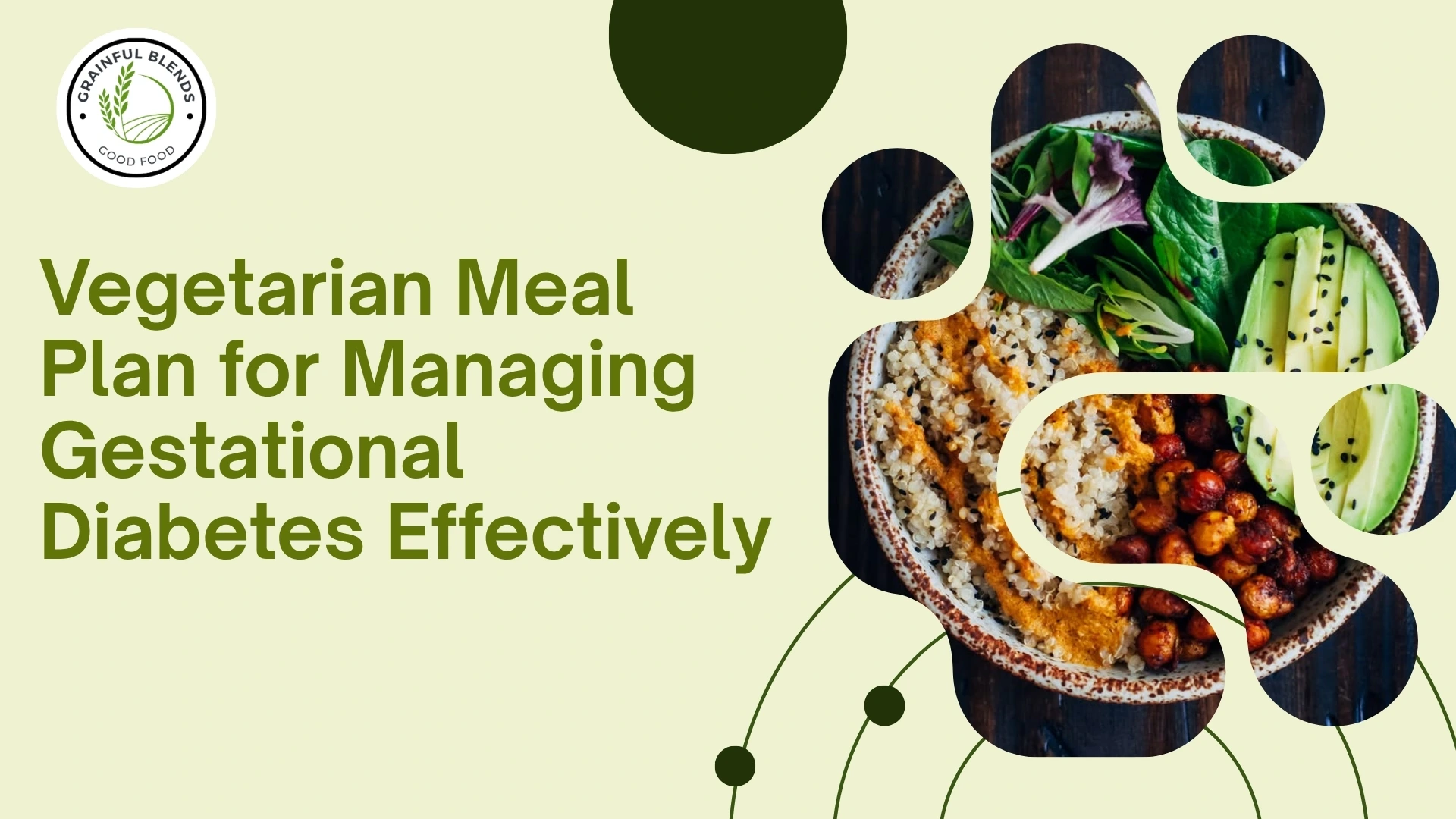
Vegetarian Meal Plan for Managing Gestational Diabetes Effectively
Managing gestational diabetes doesn’t mean sacrificing taste or nutrition. Discover our delicious vegetarian meal plan designed to keep your blood sugar stable while satisfying your cravings.
Understanding Gestational Diabetes
Gestational diabetes is a condition characterized by high blood sugar levels that develop during pregnancy and usually disappear after giving birth. It’s crucial to manage this condition effectively to ensure both the mother and baby remain healthy. Normally, your body breaks down the food you eat into glucose, which is then used for energy. However, during pregnancy, hormones can interfere with the action of insulin, leading to higher blood glucose levels. This is where gestational diabetes comes into play.
The exact cause of gestational diabetes is not entirely understood, but several risk factors have been identified. These include being overweight, having a family history of diabetes, being over 25 years old, and having previously given birth to a baby weighing more than 9 pounds. While it can be a concerning diagnosis, the good news is that gestational diabetes can often be managed through diet, exercise, and sometimes medication.
Understanding how gestational diabetes affects your body is the first step toward managing it effectively. With proper care, you can control your blood sugar levels and have a healthy pregnancy. This article will guide you through a vegetarian meal plan specifically designed for those managing gestational diabetes, ensuring you get the nutrients you need without compromising on taste or variety.
Importance of a Balanced Diet in Managing Gestational Diabetes
A balanced diet is paramount in managing gestational diabetes. The foods you choose to eat can have a significant impact on your blood sugar levels, energy, and overall well-being. A diet rich in fruits, vegetables, whole grains, and lean proteins can help maintain stable blood sugar levels and support a healthy pregnancy. For vegetarians, this means focusing on plant-based proteins and high-fiber foods that provide sustained energy and essential nutrients.
Carbohydrates are a primary source of energy, but they can also cause spikes in blood sugar levels if not managed correctly. Choosing complex carbohydrates, such as whole grains and legumes, can help maintain steady glucose levels. These foods are digested more slowly, leading to a gradual rise in blood sugar rather than a sharp spike. Pairing carbohydrates with protein and healthy fats can further stabilize blood sugar levels.
In addition to choosing the right types of foods, portion control and meal timing are also crucial. Eating smaller, more frequent meals throughout the day can help prevent blood sugar spikes and crashes. This approach ensures a steady supply of nutrients to both you and your baby, reducing the risk of complications associated with gestational diabetes. By following a balanced diet and paying attention to portion sizes and meal timing, you can effectively manage gestational diabetes and enjoy a healthy pregnancy.
Key Nutrients for a Vegetarian Diet
A well-planned vegetarian diet can provide all the essential nutrients needed for a healthy pregnancy and effective management of gestational diabetes. Key nutrients to focus on include protein, fiber, healthy fats, vitamins, and minerals. These nutrients support both maternal health and fetal development, making them critical components of your meal plan.
Protein is essential for the growth and repair of tissues and is particularly important during pregnancy. Vegetarian sources of protein include legumes, tofu, tempeh, quinoa, nuts, seeds, and dairy products. Incorporating a variety of these protein sources into your diet can help ensure you meet your daily protein requirements.
Fiber is another important nutrient for managing blood sugar levels. High-fiber foods, such as vegetables, fruits, whole grains, and legumes, can help slow the absorption of sugar into the bloodstream, preventing spikes in blood glucose levels. Additionally, fiber promotes digestive health and can help prevent constipation, a common issue during pregnancy.
Healthy fats, such as those found in avocados, nuts, seeds, and olive oil, are important for brain development and overall health. These fats can also help with blood sugar control by slowing down the absorption of carbohydrates. Vitamins and minerals, such as iron, calcium, vitamin D, and folic acid, are also crucial for a healthy pregnancy. Leafy greens, fortified plant-based milk, and whole grains are excellent sources of these nutrients. By focusing on these key nutrients, you can create a vegetarian meal plan that supports both your health and the health of your baby.
Sample Vegetarian Meal Plan for a Week
Creating a meal plan can simplify your efforts to manage gestational diabetes. Here’s a sample vegetarian meal plan for a week that includes a variety of nutrient-dense foods to keep your blood sugar stable and your taste buds satisfied.
Day 1:
- Breakfast: Greek yogurt with fresh berries, a sprinkle of chia seeds, and a drizzle of honey.
- Lunch: Quinoa salad with chickpeas, cucumber, tomatoes, feta cheese, and a lemon-tahini dressing.
- Dinner: Lentil and vegetable stir-fry served over brown rice.
- Snacks: Apple slices with almond butter, carrot sticks with hummus.
Day 2:
- Breakfast: Overnight oats made with almond milk, chia seeds, and topped with sliced bananas and walnuts.
- Lunch: Spinach and mushroom frittata with a side of mixed greens.
- Dinner: Stuffed bell peppers with a filling of black beans, corn, quinoa, and spices.
- Snacks: A handful of mixed nuts, celery sticks with guacamole.
Day 3:
- Breakfast: Smoothie made with spinach, avocado, frozen berries, and flaxseed.
- Lunch: Mixed bean salad with cherry tomatoes, red onion, and a balsamic vinaigrette.
- Dinner: Eggplant parmesan with a side of whole-grain pasta and marinara sauce.
- Snacks: Greek yogurt with a handful of granola, cucumber slices with tzatziki.
Day 4:
- Breakfast: Whole-grain toast with avocado, a poached egg, and a sprinkle of chili flakes.
- Lunch: Butternut squash soup with a side of whole-grain bread.
- Dinner: Tofu stir-fry with broccoli, snap peas, and bell peppers over brown rice.
- Snacks: Pear slices with cottage cheese, bell pepper strips with hummus.
Day 5:
- Breakfast: Chia pudding made with coconut milk, topped with mixed berries and a sprinkle of shredded coconut.
- Lunch: Veggie wrap with hummus, spinach, bell peppers, cucumber, and shredded carrots.
- Dinner: Chickpea curry with spinach and tomatoes, served with a side of quinoa.
- Snacks: A handful of trail mix, cherry tomatoes with mozzarella cheese.
Day 6:
- Breakfast: Scrambled eggs with spinach, tomatoes, and feta cheese.
- Lunch: Kale and avocado salad with a lemon vinaigrette and a sprinkle of sunflower seeds.
- Dinner: Sweet potato and black bean enchiladas with a side of guacamole.
- Snacks: Sliced bell peppers with hummus, a handful of mixed berries.
Day 7:
- Breakfast: Smoothie bowl with blended frozen berries, a banana, and topped with granola and seeds.
- Lunch: Lentil soup with a side of whole-grain bread.
- Dinner: Vegetable stir-fry with tofu and a side of brown rice.
- Snacks: Apple slices with peanut butter, celery sticks with cream cheese.
This meal plan offers a variety of flavors and textures, ensuring that you won’t get bored while sticking to your dietary goals.
Portion Control and Meal Timing
Portion control and meal timing are critical components in managing gestational diabetes. Proper portion sizes help keep blood sugar levels stable, while well-timed meals prevent spikes and drops in glucose levels. Eating smaller, frequent meals throughout the day can be more effective than consuming three large meals.
Understanding the appropriate portion sizes for different food groups can help you manage your diet more effectively. For instance, a portion of carbohydrates might be one slice of whole-grain bread, half a cup of cooked whole grains, or a small piece of fruit. Protein portions can include a half-cup of cooked legumes, a quarter-cup of nuts, or a serving of tofu or tempeh. By balancing your plate with appropriate portions of carbohydrates, proteins, and fats, you can maintain steady blood sugar levels.
Meal timing is equally important. Eating every three to four hours can help keep your blood sugar levels stable throughout the day. This might include three main meals and two to three snacks. Avoiding long gaps between meals can prevent blood sugar dips and the subsequent overeating that can occur when you get too hungry. By paying attention to portion sizes and meal timing, you can better manage gestational diabetes and maintain energy levels throughout the day.
Healthy Snack Options for Pregnant Vegetarians
Snacking can be a healthy part of your diet if you choose nutrient-dense options that provide sustained energy and essential nutrients. For pregnant vegetarians managing gestational diabetes, it’s important to choose snacks that are low in sugar and high in fiber, protein, and healthy fats.
Some healthy snack options include a small handful of nuts or seeds, which provide protein, healthy fats, and fiber. Pairing nuts with a piece of fruit, such as an apple or pear, can create a balanced snack. Greek yogurt with a sprinkle of granola or a handful of berries is another excellent option, offering protein and probiotics for digestive health.
Vegetables with hummus or guacamole make for a satisfying and nutrient-rich snack. Carrot sticks, cucumber slices, bell pepper strips, and cherry tomatoes are all great choices. Whole-grain crackers with cheese or a small serving of cottage cheese with fruit can also be a good snack option, combining protein and complex carbohydrates.
Smoothies can be a convenient and delicious snack, especially when made with a balance of fruits, vegetables, and a protein source like Greek yogurt or protein powder. Adding a handful of spinach or kale, a banana, and some chia seeds can create a nutrient-dense smoothie that helps keep your blood sugar stable. By choosing these healthy snack options, you can manage gestational diabetes effectively while satisfying your hunger and providing essential nutrients for both you and your baby.
Foods to Avoid with Gestational Diabetes
While it’s important to focus on what you can eat, it’s equally crucial to be aware of foods that should be limited or avoided when managing gestational diabetes. Certain foods can cause rapid spikes in blood sugar levels and should be consumed sparingly or avoided altogether.
High-sugar foods, such as candies, sweets, and sugary beverages, can lead to significant increases in blood sugar levels. These foods provide little nutritional value and can contribute to weight gain and poor blood sugar control. Instead, opt for natural sources of sweetness, like fruits, which also provide fiber and essential nutrients.
Refined carbohydrates, such as white bread, white rice, and pastries, can also cause blood sugar spikes. These foods are quickly digested and absorbed, leading to rapid increases in glucose levels. Choosing whole-grain alternatives, such as whole-grain bread, brown rice, and whole-wheat pasta, can help maintain more stable blood sugar levels.
Highly processed foods, such as fast food, packaged snacks, and ready-made meals, often contain high levels of unhealthy fats, sugar, and sodium. These foods can contribute to weight gain, poor blood sugar control, and other health issues. Focusing on whole, minimally processed foods can help you better manage gestational diabetes and support overall health. By being mindful of these foods and making healthier choices, you can keep your blood sugar levels stable and promote a healthy pregnancy.
Tips for Dining Out and Social Events
Dining out and attending social events can present challenges when managing gestational diabetes, but with a little planning and mindful choices, you can enjoy these occasions while keeping your blood sugar levels in check. Here are some tips to help you navigate these situations.
Before dining out, check the restaurant’s menu online if possible. Look for options that include whole grains, vegetables, and lean proteins. Avoid dishes that are fried, breaded, or heavy in creamy sauces, as these can be high in unhealthy fats and refined carbohydrates. Instead, opt for grilled, baked, or steamed dishes. Asking for dressings and sauces on the side can also help you control the amount you consume.
When attending social events, bring a healthy dish to share. This ensures that there will be at least one option that aligns with your dietary needs. Focus on portion control by filling your plate with vegetables, lean proteins, and whole grains. Avoid going to events overly hungry, as this can lead to overeating. Having a small, balanced snack before you go can help you make more mindful choices.
Don’t be afraid to ask questions or make special requests when dining out. Most restaurants are willing to accommodate dietary needs and can modify dishes to better suit your requirements. By planning ahead and making mindful choices, you can enjoy dining out and social events without compromising your blood sugar management.
Monitoring Blood Sugar Levels Effectively
Regular monitoring of blood sugar levels is essential for managing gestational diabetes. It helps you understand how your body responds to different foods, activities, and medications, allowing you to make informed decisions about your diet and lifestyle.
Most healthcare providers will recommend checking your blood sugar levels multiple times a day, typically before meals and one to two hours after meals. This can help you identify patterns and make adjustments as needed. Using a blood glucose meter or continuous glucose monitor (CGM) can provide accurate and real-time information about your blood sugar levels.
Keeping a log of your blood sugar readings, along with notes about your meals, physical activity, and any symptoms you experience, can be a valuable tool. This log can help you and your healthcare provider identify trends and make necessary adjustments to your meal plan or treatment regimen. Consistent monitoring and record-keeping can improve your ability to manage gestational diabetes effectively.
It’s also important to follow your healthcare provider’s recommendations for managing blood sugar levels. This may include dietary changes, physical activity, and, in some cases, medication. Regular check-ups and communication with your healthcare team are crucial for ensuring that you and your baby remain healthy throughout your pregnancy. By monitoring your blood sugar levels effectively, you can take control of your gestational diabetes and promote a healthy pregnancy.
Conclusion and Resources for Further Support
Managing gestational diabetes effectively is crucial for the health of both the mother and baby. A well-balanced vegetarian diet, portion control, meal timing, and regular monitoring of blood sugar levels are key components of effective management. By focusing on nutrient-dense foods, making mindful choices, and seeking support from healthcare providers, you can maintain stable blood sugar levels and enjoy a healthy pregnancy.
It’s important to remember that you are not alone in this journey. Numerous resources are available to provide support and guidance. Your healthcare provider, dietitian, and diabetes educator can offer personalized advice and support. Additionally, online communities and support groups can connect you with others who are experiencing similar challenges, providing a sense of camaraderie and encouragement.
For further support, consider exploring reputable websites and organizations dedicated to diabetes management and maternal health. The American Diabetes Association, the Academy of Nutrition and Dietetics, and the Centers for Disease Control and Prevention are excellent sources of information and resources. By utilizing these resources and staying proactive in managing your gestational diabetes, you can ensure a healthy pregnancy and a positive outcome for both you and your baby.