
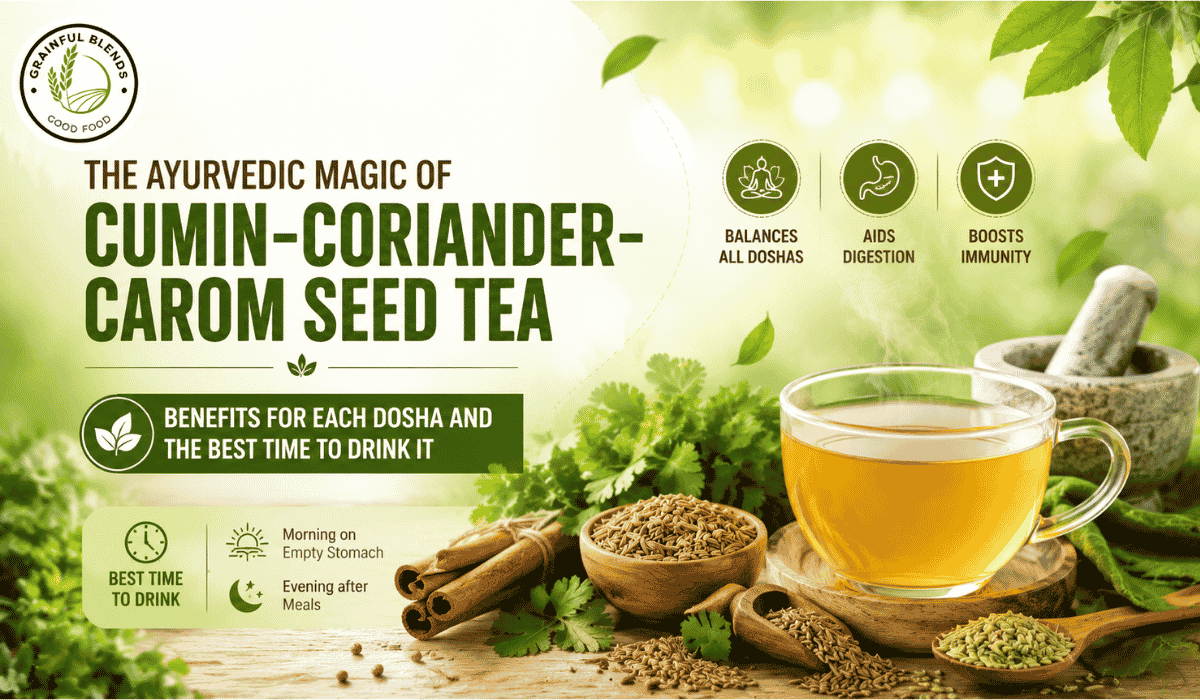
Discover the Ayurvedic Benefits of Cumin, Coriander, and Carom Tea
Unlock the ancient wisdom of Ayurveda with the incredible benefits of cumin, coriander, and carom tea. Elevate your health naturally!
Overview of Cumin, Coriander, and Carom Seeds
Cumin, coriander, and carom seeds are staple spices in many kitchens around the world, especially in Indian households where they hold a place of honor in daily cooking. These seeds are not just limited to culinary uses; they have been celebrated in Ayurvedic medicine for their numerous health benefits. Ayurveda, the traditional system of medicine rooted in India, emphasizes a holistic approach to health and wellness. According to Ayurvedic principles, these seeds can balance the body’s doshas, which are the energies believed to govern our physiological activity.
Cumin seeds, scientifically known as Cuminum cyminum, are small and boat-shaped with a strong aromatic profile. They are rich in iron, manganese, and other essential minerals that contribute to their health-promoting properties. Coriander seeds, or Coriandrum sativum, are spherical and have a mild, slightly citrusy flavor. They are loaded with antioxidants and have cooling properties that make them beneficial in reducing heat and inflammation. Carom seeds, also known as ajwain or Trachyspermum ammi, are tiny, oval, and ridged. They have a pungent taste and are known for their digestive benefits, making them a popular remedy for various gastrointestinal issues.
These seeds are often used individually or in combination to prepare herbal teas that offer a plethora of health benefits. The tradition of making herbal teas from these seeds can be traced back thousands of years, and their efficacy has been endorsed by numerous scientific studies. By incorporating cumin, coriander, and carom seeds into your tea, you can tap into a natural way to boost your health and well-being. Let’s delve deeper into the specific benefits each of these seeds offers when consumed as tea.
Health Benefits of Cumin Tea
Cumin tea is a powerhouse of nutrients and has been used for centuries to promote health and well-being. One of the primary benefits of cumin tea is its ability to aid digestion. Cumin stimulates the production of digestive enzymes, which help break down food and facilitate better nutrient absorption. This makes it particularly beneficial for those who suffer from indigestion, bloating, or gas. Drinking cumin tea after meals can provide relief from these common digestive issues.
Another significant benefit of cumin tea is its potential to boost the immune system. Cumin seeds are rich in antioxidants, which help combat free radicals and reduce oxidative stress in the body. This can enhance the body’s natural defense mechanisms, making it more resilient against infections and diseases. Additionally, cumin has anti-inflammatory properties that can help reduce inflammation in the body, further supporting overall health.
Cumin tea is also known for its ability to regulate blood sugar levels. Studies have shown that cumin can improve insulin sensitivity and lower blood sugar levels, making it a beneficial drink for people with diabetes or those at risk of developing the condition. Furthermore, cumin is a good source of iron, which is essential for the production of red blood cells and the prevention of anemia. Drinking cumin tea can help maintain healthy iron levels, especially in individuals who may be prone to iron deficiency.
Health Benefits of Coriander Tea
Coriander tea is another herbal infusion that offers a wide range of health benefits. One of the most notable advantages of coriander tea is its ability to detoxify the body. Coriander seeds have diuretic properties that promote the elimination of excess fluids and toxins from the body. This can help reduce water retention, alleviate bloating, and support kidney function. Drinking coriander tea regularly can aid in maintaining a healthy and balanced internal environment.
In addition to its detoxifying properties, coriander tea is known for its anti-inflammatory benefits. The antioxidants and phytonutrients found in coriander seeds can help reduce inflammation in the body, which is beneficial for individuals with chronic inflammatory conditions such as arthritis. Regular consumption of coriander tea can help alleviate pain and improve mobility, making it a natural remedy for managing inflammation-related issues.
Coriander tea is also beneficial for cardiovascular health. The seeds contain compounds that help lower bad cholesterol (LDL) levels and increase good cholesterol (HDL) levels in the blood. This can reduce the risk of heart disease and improve overall cardiovascular function. Moreover, coriander seeds have antihypertensive properties that can help regulate blood pressure levels. By incorporating coriander tea into your daily routine, you can support a healthy heart and circulatory system.
Health Benefits of Carom Tea
Carom tea, made from carom seeds (ajwain), is a potent herbal remedy known for its exceptional digestive benefits. One of the most prominent advantages of carom tea is its ability to relieve indigestion and flatulence. Carom seeds contain thymol, a compound that stimulates the secretion of gastric juices, enhancing the digestive process. Drinking carom tea can help alleviate symptoms of indigestion, such as bloating, gas, and stomach cramps, making it an excellent choice for those with digestive disorders.
Beyond its digestive benefits, carom tea is also known for its antimicrobial properties. The essential oils present in carom seeds, particularly thymol and carvacrol, have strong antibacterial and antifungal effects. This makes carom tea effective in fighting off infections and boosting the immune system. Regular consumption of carom tea can help protect the body from common pathogens and support overall immune health.
Carom tea is also beneficial for respiratory health. The expectorant properties of carom seeds help loosen mucus and phlegm, making it easier to expel them from the respiratory tract. This can provide relief from coughs, colds, and other respiratory conditions such as asthma and bronchitis. Drinking carom tea can help soothe the respiratory system and promote easier breathing, making it a valuable remedy for respiratory health.
How to Prepare Cumin, Coriander, and Carom Tea
Preparing cumin, coriander, and carom tea is a simple process that can be easily incorporated into your daily routine. To make cumin tea, you will need one teaspoon of cumin seeds and one cup of water. Start by boiling the water in a saucepan. Once the water reaches a rolling boil, add the cumin seeds and let them simmer for about 5-10 minutes. Strain the tea into a cup and enjoy it warm. You can add a teaspoon of honey or a few drops of lemon juice for added flavor and health benefits.
To prepare coriander tea, you will need one teaspoon of coriander seeds and one cup of water. Begin by boiling the water in a saucepan. Once the water is boiling, add the coriander seeds and let them simmer for 5-10 minutes. Strain the tea into a cup and drink it warm. You can enhance the taste by adding a pinch of ground ginger or a slice of fresh lemon.
For carom tea, you will need one teaspoon of carom seeds and one cup of water. Boil the water in a saucepan, and once it starts boiling, add the carom seeds. Let the seeds simmer for 5-10 minutes. Strain the tea into a cup and enjoy it warm. You can add a dash of black salt or a few drops of lemon juice to improve the flavor. Each of these teas can be consumed individually or combined for enhanced benefits.
Combining the Three Teas for Enhanced Benefits
Combining cumin, coriander, and carom tea can offer synergistic benefits that enhance overall health and well-being. To prepare a combination tea, you will need one teaspoon each of cumin, coriander, and carom seeds, along with three cups of water. Start by boiling the water in a saucepan. Once the water reaches a rolling boil, add the cumin, coriander, and carom seeds. Let them simmer together for about 10-15 minutes. Strain the tea into a cup and enjoy it warm. This combination tea can provide a comprehensive range of health benefits, from improved digestion to enhanced immune function.
The combined tea harnesses the digestive benefits of cumin, the detoxifying properties of coriander, and the antimicrobial effects of carom seeds. This makes it a powerful remedy for maintaining a healthy digestive system and supporting overall wellness. Drinking this tea regularly can help alleviate common digestive issues such as bloating, gas, and indigestion, while also providing relief from inflammation and supporting cardiovascular health.
Additionally, the combined tea can be a valuable addition to your daily wellness routine for boosting the immune system and protecting against infections. The antioxidants and phytonutrients present in these seeds work together to reduce oxidative stress and enhance the body’s natural defense mechanisms. By incorporating this combination tea into your daily routine, you can experience a holistic approach to health and well-being that aligns with Ayurvedic principles.
Potential Side Effects and Precautions
While cumin, coriander, and carom tea offer numerous health benefits, it is essential to be aware of potential side effects and take necessary precautions. Cumin tea is generally safe for most people, but excessive consumption may cause heartburn or low blood sugar levels. It is advisable to start with small amounts and gradually increase the intake to avoid any adverse effects. Pregnant and breastfeeding women should consult their healthcare provider before consuming cumin tea, as it may affect hormone levels and milk production.
Coriander tea is also considered safe for most individuals, but excessive consumption can lead to allergic reactions or gastrointestinal discomfort. People with a known allergy to coriander or related plants should avoid consuming coriander tea. Additionally, coriander may interact with certain medications, such as anticoagulants and diabetes medications. It is important to consult a healthcare provider before incorporating coriander tea into your routine, especially if you are taking any medications or have underlying health conditions.
Carom tea, while beneficial, should be consumed in moderation. Excessive intake of carom seeds can cause nausea, vomiting, and headaches. Pregnant women should avoid consuming large amounts of carom tea, as it may stimulate uterine contractions. Individuals with liver or kidney conditions should also exercise caution and seek medical advice before consuming carom tea. As with any herbal remedy, it is crucial to listen to your body and discontinue use if you experience any adverse effects.
Incorporating Ayurvedic Tea into Your Daily Routine
Incorporating Ayurvedic teas such as cumin, coriander, and carom tea into your daily routine can be a simple yet effective way to enhance your overall health and well-being. Start by identifying the specific health benefits you seek and choose the tea that aligns with your needs. For instance, if you are looking to improve digestion, you may start with cumin or carom tea. If detoxification is your goal, coriander tea may be the best choice.
Begin by consuming one cup of your chosen tea daily, preferably in the morning or after meals. As your body adjusts to the new routine, you can gradually increase the intake to two or three cups a day. Pay attention to how your body responds and make adjustments as needed. It is also beneficial to rotate between different teas to experience the unique benefits each one offers. For example, you can have cumin tea in the morning, coriander tea in the afternoon, and carom tea in the evening.
To enhance the experience, create a mindful tea-drinking ritual. Set aside a few minutes each day to enjoy your tea without distractions. Focus on the aroma, taste, and warmth of the tea, and take deep breaths to relax and unwind. This practice can help reduce stress and promote a sense of calm and well-being. By making Ayurvedic teas a part of your daily routine, you can support your health naturally and embrace a holistic approach to wellness.
Conclusion: Embracing Ayurvedic Wellness with Herbal Teas
Embracing Ayurvedic wellness through herbal teas such as cumin, coriander, and carom tea can offer a natural and holistic approach to health. These teas, with their rich nutrient profiles and therapeutic properties, have been used for centuries to promote well-being and balance the body’s energies. Whether you are looking to improve digestion, detoxify the body, boost the immune system, or support cardiovascular health, these Ayurvedic teas can provide valuable benefits.
By preparing and consuming these teas regularly, you can tap into the ancient wisdom of Ayurveda and experience the holistic benefits they offer. Remember to start with small amounts, pay attention to how your body responds, and consult a healthcare provider if you have any underlying health conditions or concerns. Incorporating these teas into your daily routine, along with a mindful tea-drinking practice, can enhance your overall health and well-being.
Ultimately, the journey to wellness is a personal one, and incorporating Ayurvedic principles can provide valuable insights and tools to support your journey. By embracing the benefits of cumin, coriander, and carom tea, you can elevate your health naturally and enjoy the holistic well-being that Ayurveda promotes. So, brew a cup of these nourishing teas, take a moment to savor the experience, and embark on a path to holistic health and wellness.